Treated by Dr. Venkata Harin Reddy Muduganti at Dr Venkata Harin Reddy
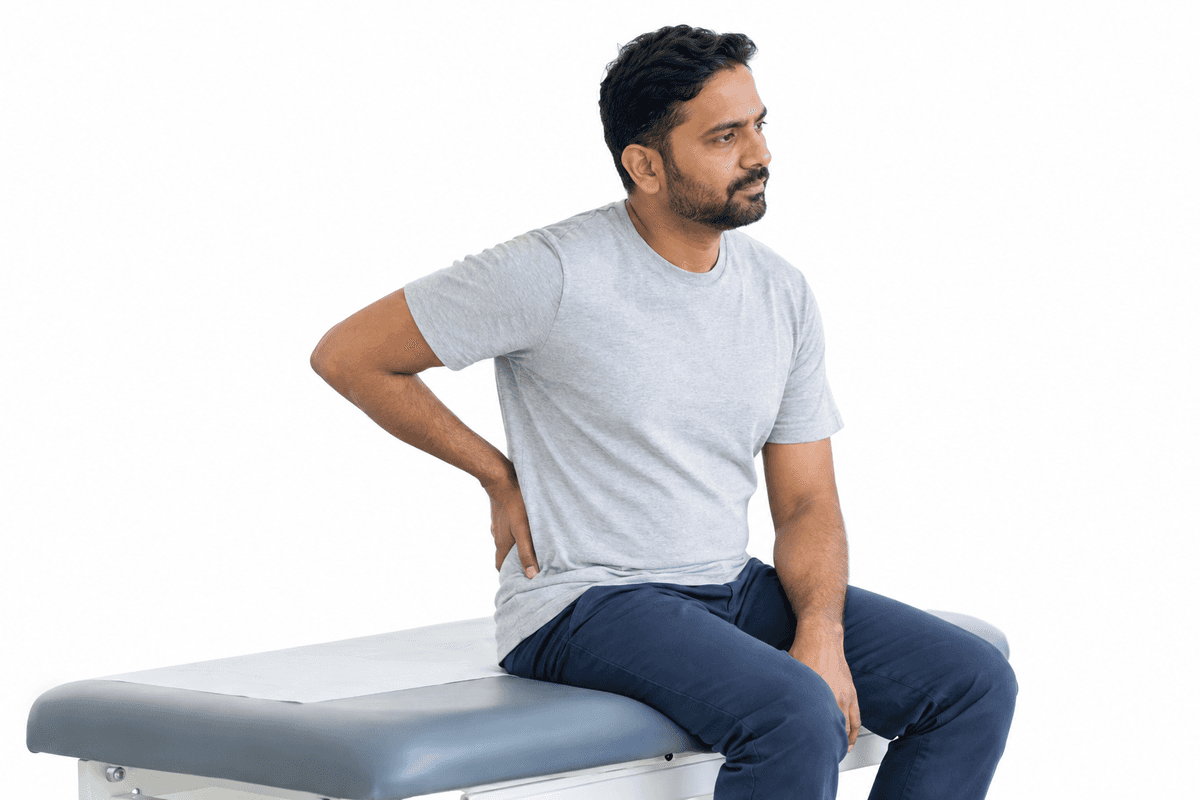
Back pain is discomfort or pain anywhere along the spine or surrounding muscles. It can range from a dull ache to sharp, shooting sensations that may radiate down the legs. While many episodes resolve with rest and conservative care, persistent or severe back pain may signal nerve involvement or structural changes that benefit from medical evaluation.
Pain arising from muscles, ligaments, or joints of the spine, often related to strain, poor posture, or degenerative changes in the discs or facet joints.
Pain caused by compression or irritation of a spinal nerve root, typically shooting down one leg with numbness or tingling, commonly seen in disc herniation or spinal stenosis.
Pain felt in the back but originating from another area, such as the kidneys, abdomen, or pelvis, requiring identification of the underlying source.
Multiple factors can contribute to the development and progression of this condition.
Recognising the signs early gives you more treatment options.
Dr Venkata Harin Reddy begins with a detailed history and physical examination to assess pain location, movement, reflexes, and sensation. Imaging or nerve studies are ordered only when clinical findings suggest structural or neurological involvement.
From conservative to surgical — we always start with the least invasive option first.
A structured, patient-first approach from first visit to full recovery.
Dr Venkata Harin Reddy takes a thorough history and performs a neurological examination to identify pain patterns, nerve involvement, and any red-flag features that require urgent attention.
Imaging or nerve studies are ordered when clinical findings suggest structural problems or nerve compression, helping to confirm the diagnosis and guide treatment decisions.
A plan is developed starting with conservative measures such as activity modification, physiotherapy, and medications, with procedural options discussed if symptoms do not improve.
Follow-up appointments track progress, adjust medications or therapy as needed, and ensure that any worsening symptoms or new neurological signs are addressed promptly.
What to expect at each phase of recovery.
Many patients notice improvement within a few days to weeks with rest, activity modification, and appropriate medication. Recovery pace varies and depends on the underlying cause.
Gradual return to daily activities and work is supported by physical therapy and continued postural care. Patients learn strategies to protect the spine and reduce the risk of recurrence.
Some individuals require ongoing exercise, weight management, and ergonomic adjustments to maintain comfort. Periodic review helps address any new symptoms or progression.
Good management can reduce pain intensity and help patients return to normal activities, though complete elimination of all discomfort is not always possible, especially with degenerative changes.
Strengthening exercises, posture correction, and lifestyle adjustments may lower the chance of future episodes, but back pain can recur depending on underlying factors and activity levels.
Timely intervention for nerve compression can prevent or limit permanent weakness or sensory loss, though some nerve damage may not be fully reversible if compression was prolonged.
In cases of ongoing degenerative disease or chronic pain, the goal shifts to symptom control, maximising function, and maintaining quality of life rather than achieving a cure.
Untreated back pain may lead to chronic discomfort, reduced mobility, and difficulty with daily tasks. When nerve compression is present, delayed treatment can result in permanent weakness, numbness, or loss of bladder and bowel control. Early evaluation helps prevent these complications and supports better long-term outcomes.
Seek medical attention if back pain persists beyond a few weeks, is accompanied by leg weakness or numbness, or follows an injury. Urgent evaluation is necessary for sudden loss of bladder or bowel control, severe pain that does not ease with rest, or pain accompanied by fever or unexplained weight loss.
Early treatment means more options and better outcomes. Book a consultation to understand your condition and explore the right path forward.