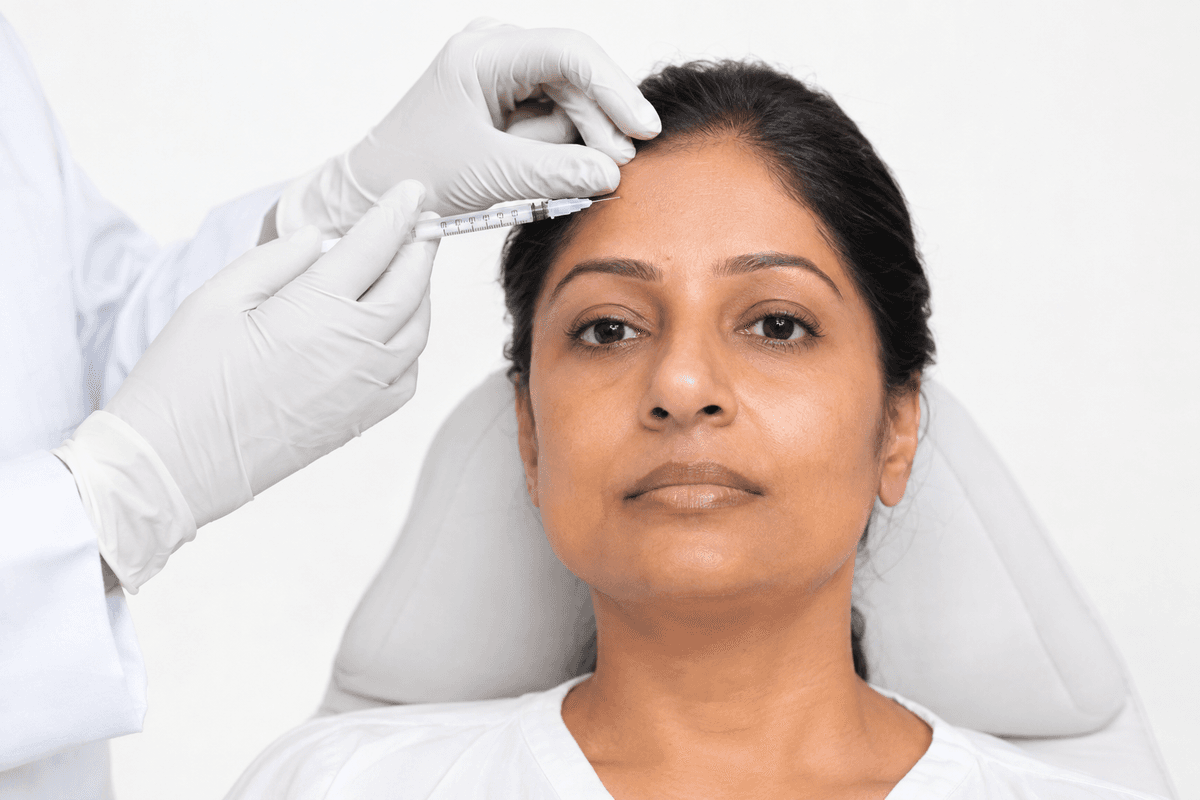
Performed by Dr. Venkata Harin Reddy Muduganti at Dr Venkata Harin Reddy
Botox Therapy in Hyderabad is a specialized neurological treatment that uses botulinum toxin injections to manage chronic migraines, cervical dystonia, muscle spasticity, and various movement disorders. This minimally invasive procedure provides targeted relief by temporarily blocking nerve signals to overactive muscles. Dr Venkata Harin Reddy offers expert Botox therapy with precise, evidence-based techniques tailored to each patient's neurological condition.
We believe in honest, upfront disclosure so you can make an informed decision.
A step-by-step look at what happens during this procedure.
Botulinum toxin type A blocks the release of acetylcholine at neuromuscular junctions, preventing nerve signals from reaching overactive muscles and reducing involuntary contractions.
For chronic migraines, Botox inhibits the release of pain neurotransmitters including substance P and CGRP, interrupting pain signal transmission to the brain and reducing migraine frequency.
The toxin causes temporary, localized muscle paralysis at precise injection sites, allowing sustained relief from spasticity, dystonia, and abnormal muscle movements without affecting surrounding areas.
Effects typically begin within 3-7 days as the toxin binds to nerve endings, with maximum therapeutic benefit achieved at 2-4 weeks post-injection.
Therapeutic effects last 10-16 weeks on average before nerve terminals regenerate and muscle activity gradually returns, requiring repeat treatment sessions for sustained benefit.
A structured, patient-first approach from first consultation to full recovery.
Dr Venkata Harin Reddy conducts detailed clinical evaluation including neurological examination, review of symptom patterns, and assessment of muscle activity to determine optimal injection sites and dosage requirements.
Based on individual diagnosis (migraine, dystonia, spasticity), the doctor creates a personalized injection protocol specifying precise anatomical locations, units per site, and treatment intervals for maximum efficacy.
Using anatomical landmarks and clinical expertise, Dr Reddy performs targeted intramuscular injections with fine-gauge needles, ensuring accurate toxin delivery to affected muscles while minimizing discomfort and side effects.
Regular monitoring appointments assess treatment response, document symptom improvement, manage any side effects, and adjust subsequent injection protocols to optimize long-term therapeutic outcomes for each patient.
What to expect at each stage of your recovery journey.
Patients can resume normal activities immediately after injection with minimal restrictions. Avoid rubbing or massaging injection sites for 24 hours to prevent toxin migration. Mild injection site discomfort resolves within hours.
Over 3-7 days, patients begin experiencing symptom improvement as neuromuscular blockade takes effect. Some may notice transient weakness in injected areas. Continue normal medications unless otherwise instructed.
At 2-4 weeks post-injection, maximum therapeutic benefit is achieved with significant reduction in migraine frequency, muscle spasticity, or dystonic movements. Effects typically persist for 10-16 weeks before gradual return of symptoms necessitating repeat treatment.
Patients with chronic migraine experience average reduction of 8-9 headache days per month, with decreased pain intensity and improved quality of life allowing better daily functioning and reduced acute medication use.
Those with cervical dystonia, limb spasticity, or focal dystonias achieve significant improvement in abnormal postures, reduced pain from muscle contractions, and enhanced voluntary motor control enabling better functional independence.
Stroke survivors and patients with neurological spasticity experience decreased muscle stiffness, improved range of motion, easier physical therapy participation, and reduced caregiver burden with enhanced mobility.
Overall, patients report substantial improvement in daily activities, reduced disability scores, decreased pain levels, better sleep quality, and increased ability to participate in work, social, and recreational activities.
Let's clear up some of the most common myths about botox therapy.
Get a personalised assessment from an experienced specialist. Understand your options, ask your questions, and decide with confidence.